Application of BHFUSE PPTC in Electric Toys
With the continuous advancement of technology and societal progress, there is increasing emphasis on the intellectual development of infants and young children. Consequently, a wide variety of educational toys have emerged rapidly and incessantly. These include both electric and non-electric types, spanning thousands of categories with vastly different and uneven quality requirements. When purchasing toys, people often prioritize play functionality over safety. Many toy quality issues only gain attention after accidents occur, by which time it is too late, as harm has already been inflicted—sometimes with lifelong consequences. This highlights the critical importance of enhancing the safety of electric toys.
In foreign countries, particularly developed nations, the safety of electronic toys is of utmost importance. Whether in certification testing, research and development design, or customer requirements, safety is the primary consideration, followed by the toy's functionality—especially for electric toys. Therefore, safety protection in toys is a paramount concern.
Clause 3.6.2 of the international standard *BS/EN 50088:1996* explicitly specifies "thermal cut-off": a device that, during abnormal operation, limits the temperature of the toy or its components by automatically disconnecting the circuit or reducing the current, and whose design values cannot be altered by the user. Clause 3.6.3 further specifies "self-resetting thermal cut-off": a thermal cut-off that can automatically restore the circuit connection after the relevant components have cooled down.
It is evident that the key terms in the above are "safety protection," "thermal cut-off," and "self-resetting thermal cut-off," all of which address the safety control of current-induced heat in electric toys—specifically, protection control after overcurrent or overtemperature conditions.
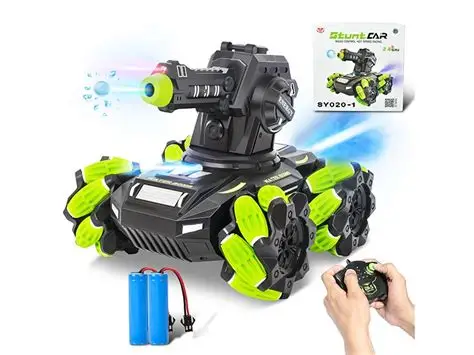
In electric toys, the main components include motors, electronic control boards, power sources (dry batteries, rechargeable batteries, transformers, chargers), casings, and parts. During the use of electric toys, improper handling can often lead to issues such as motor lock-up, excessively high motor temperatures, short-circuit heating of batteries, short circuits caused by damage to components on the electronic control board, and heating due to overcharging or over-discharging of batteries. These scenarios can generate high currents in the electric toy's circuit, posing safety hazards such as high temperatures, combustion, and battery explosions.
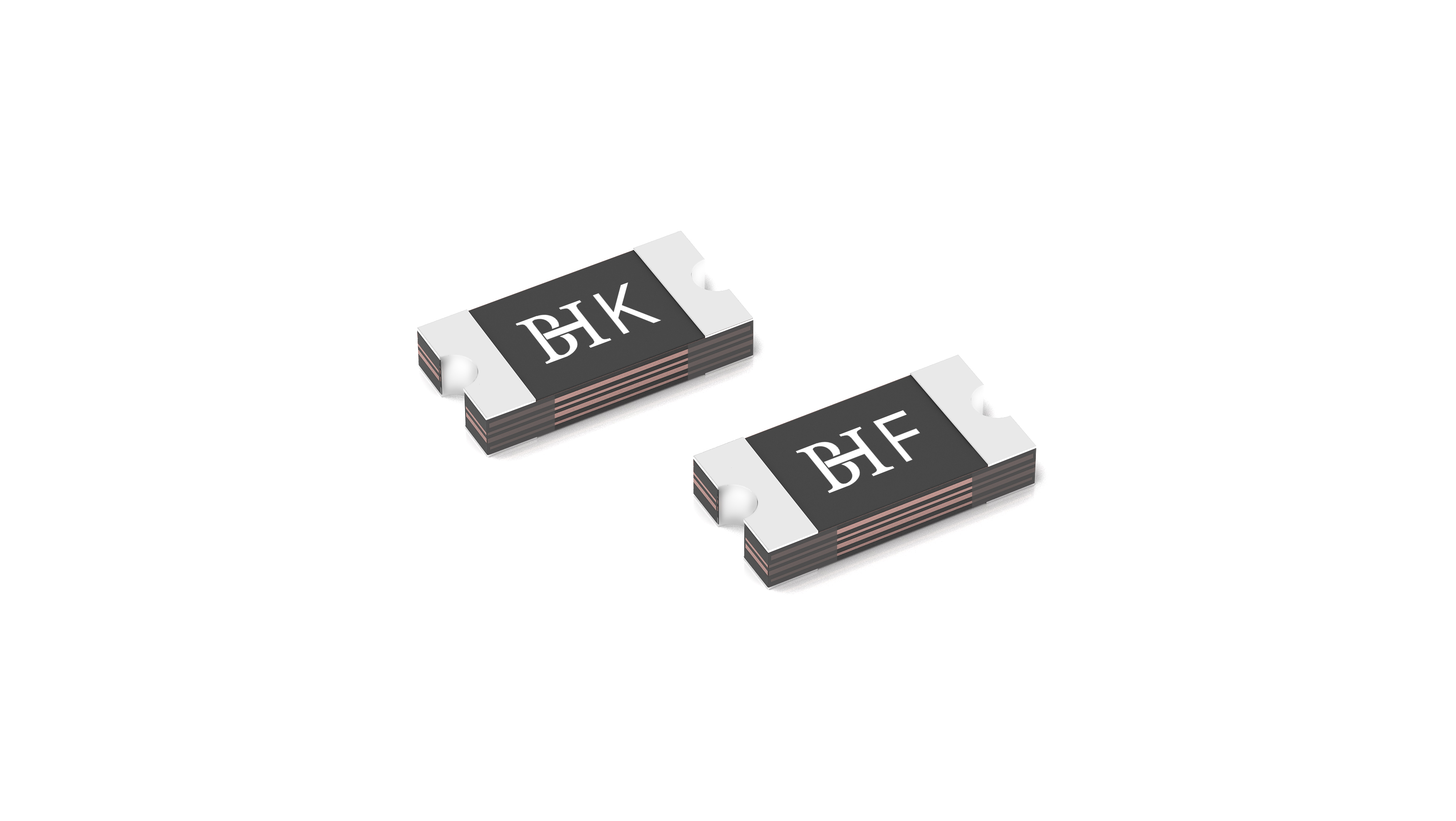
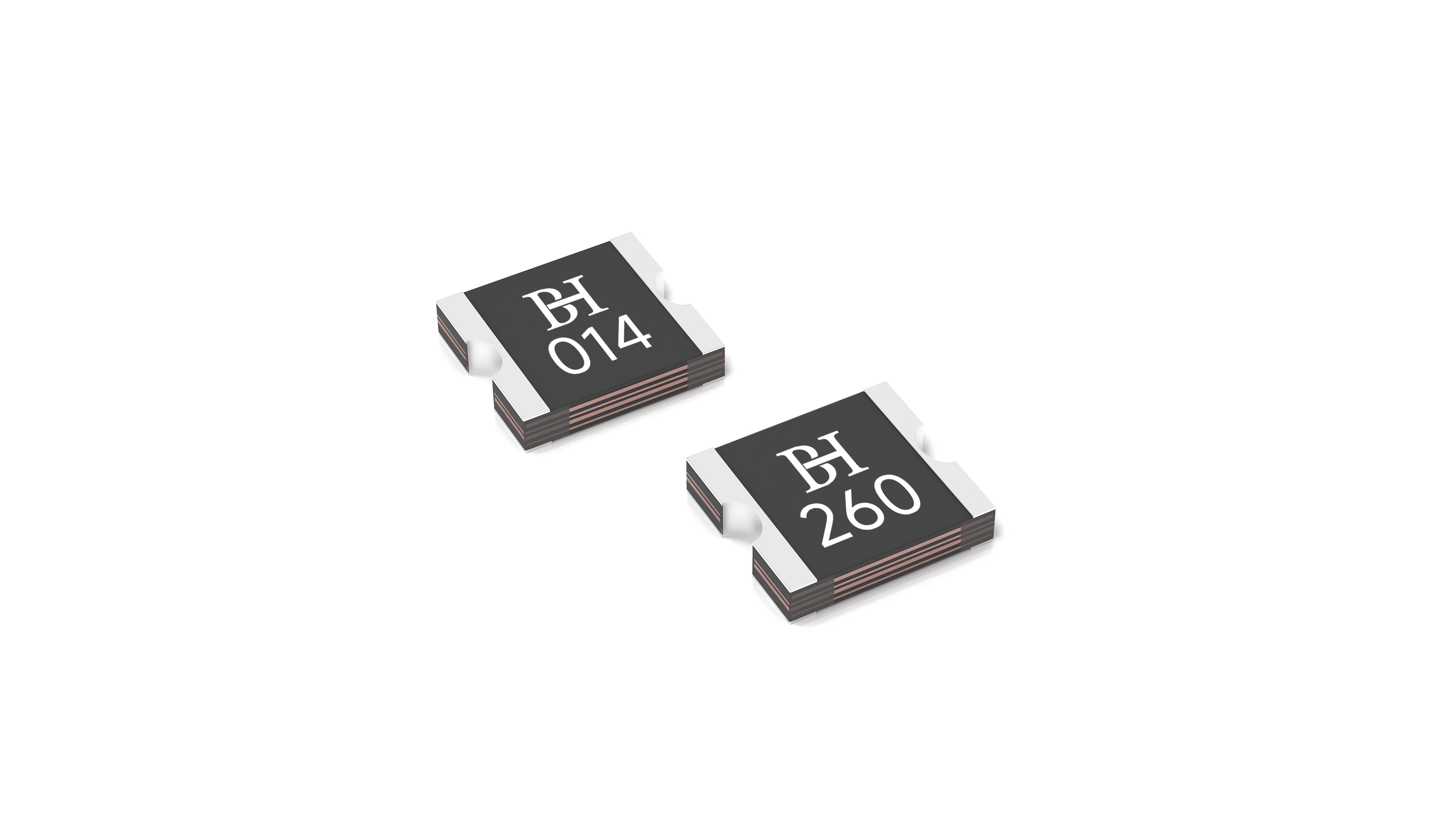
Commonly used PPTC in electric toys include the 6V, 16V, and 30V DIP series, as well as SMD series such as 0603, 0805, 1206, and 1812.