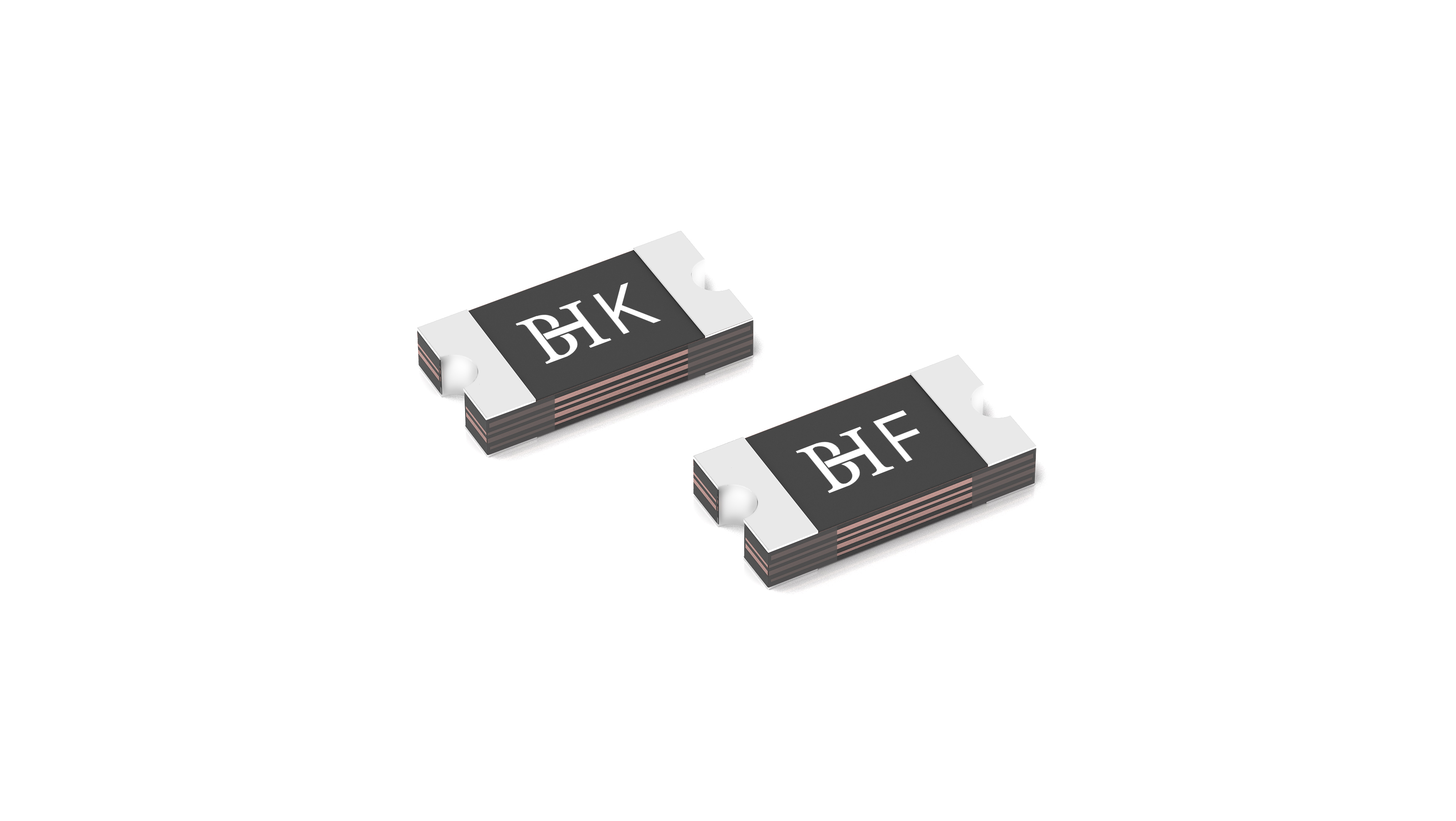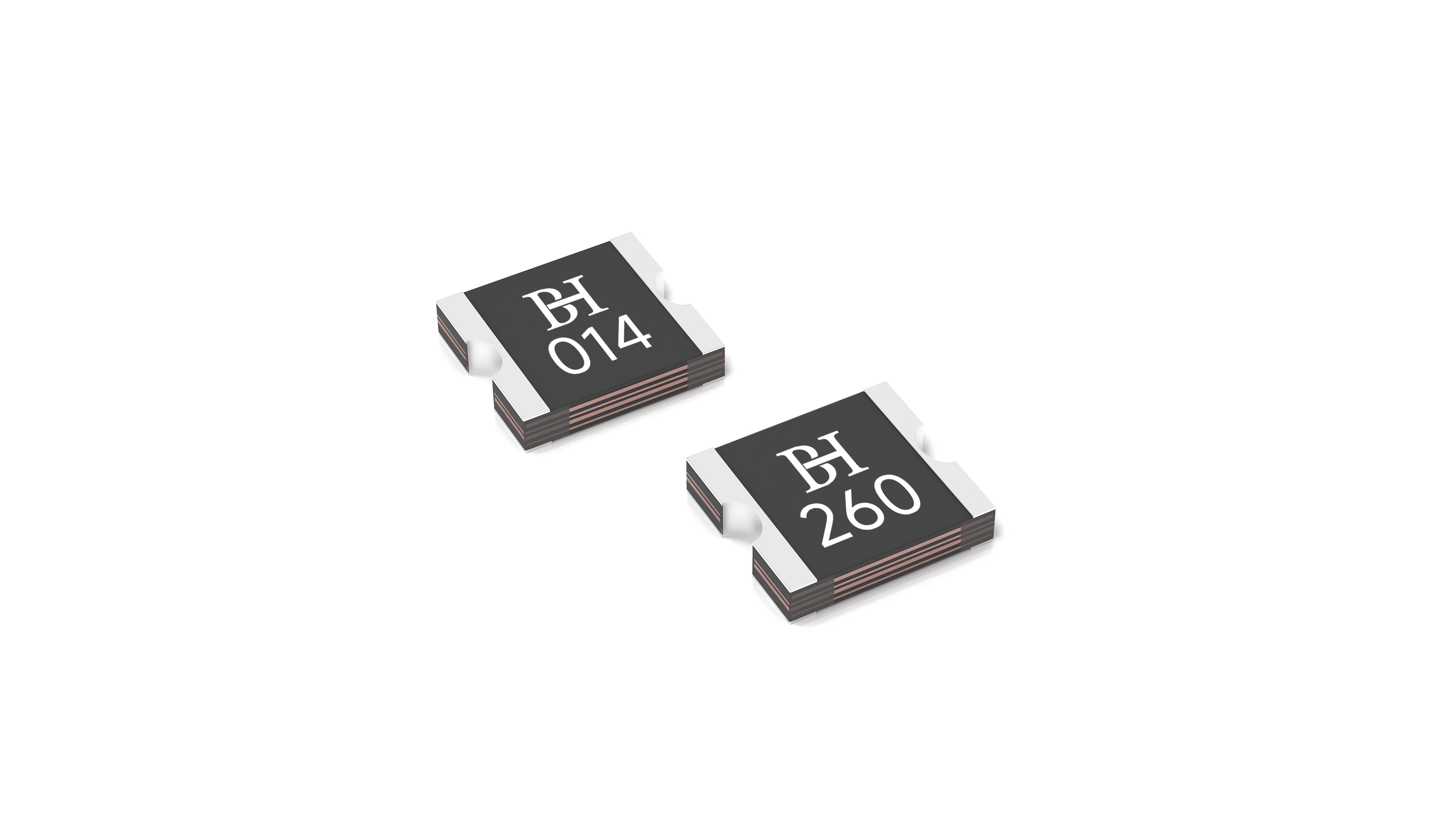
Question 16: What are the causes of PPTC failure?
1、Electrical Overstress
This is the most common cause, primarily referring to exceeding the absolute maximum ratings of the PPTC.
Excessive fault current: If the short-circuit current exceeds the maximum current (Imax) that the PPTC can withstand, the immense energy can instantly generate high temperatures inside the PPTC, leading to carbonization, degradation, or burning of the polymer material. This typically results in a short-circuit failure, where the PPTC becomes a permanent low-resistance conductor, unable to provide protection anymore, which is very dangerous.
Excessive voltage: When a fault occurs, the PPTC needs to withstand almost the entire system voltage after tripping. If this voltage exceeds its maximum operating voltage (Vmax), it may cause arcing or dielectric breakdown, leading to the PPTC being punctured and forming a permanent short circuit.
2、Thermal Overstress / Improper Ambient Temperature
The operation principle of PPTCs is based on heat, so ambient temperature has a significant impact on them.
Excessively high ambient temperature: If the device operates in an environment far above the PPTC's rated operating temperature, its hold current (Ihold) will significantly decrease. This may cause the PPTC to malfunction or even suffer thermal failure during normal operation, even if the current does not exceed the rated value, due to the combined effect of current and ambient temperature.
Insufficient cooling: After the PPTC trips, it relies on the environment to dissipate heat in order to reset. If it is installed in an enclosed space or has poor heat dissipation, it will remain in a high-resistance state for a long time. The sustained high temperature will accelerate material aging, ultimately leading to performance degradation or permanent damage.
3、Mechanical Stress and Physical Damage
Mechanical shock: Severe vibration or physical impact may damage the precise conductive structure inside the PPTC, causing changes in its electrical parameters or direct damage.
Improper soldering process: Excessive soldering temperature: During reflow or wave soldering, if the temperature profile is set improperly, high temperatures may cause irreversible damage to the PPTC's polymer material.
Prolonged soldering time: This can also cause thermal damage.
Applying mechanical force: Excessive bending of the pins during installation may cause internal connection breakage.
4、Aging and Performance Degradation
Even during normal use without tripping, PPTCs will slowly age.
Multiple cycling operations: Each trip-reset cycle imposes certain mechanical and thermal stress on the polymer material. After dozens or even hundreds of cycles, the initial resistance (Rmin) of the PPTC may gradually increase, and the response time may slow down, eventually rendering it unable to cut off the fault current within the required time.
Long-term exposure to high-temperature environments: Even without operation, prolonged exposure to high temperatures can cause aging and characteristic drift of the polymer material.
5、Incorrect Selection
This is a fundamental issue. If the wrong PPTC is selected during design, failure is almost inevitable.
Ihold selected too high: Fails to provide effective protection during minor overcurrent events.
Ihold selected too low: Causes false tripping during normal inrush currents or peak currents.
Vmax selected too low: Unable to withstand the system's maximum voltage.
Imax selected too low: Unable to withstand potential short-circuit current surges.
How to Prevent Failure?
1、Precise selection: Ensure key parameters such as Ihold, Vmax, and Imax have sufficient safety margins. Carefully consider the device's operating environment temperature and potential fault currents.
2、Provide a good heat dissipation environment: Avoid installing PPTCs near heat sources or in enclosed spaces.
3、Optimize production processes: Strictly control soldering temperature and duration.
4、Avoid mechanical stress: Take precautions during installation and transportation.
5、Understand its limitations: PPTCs are not a universal solution. For severe faults requiring rapid cutoff, they may need to be used in conjunction with fuses or other protective devices.